Wuhan
China's heartland city where the Han and Yangtze rivers meet
Highlights
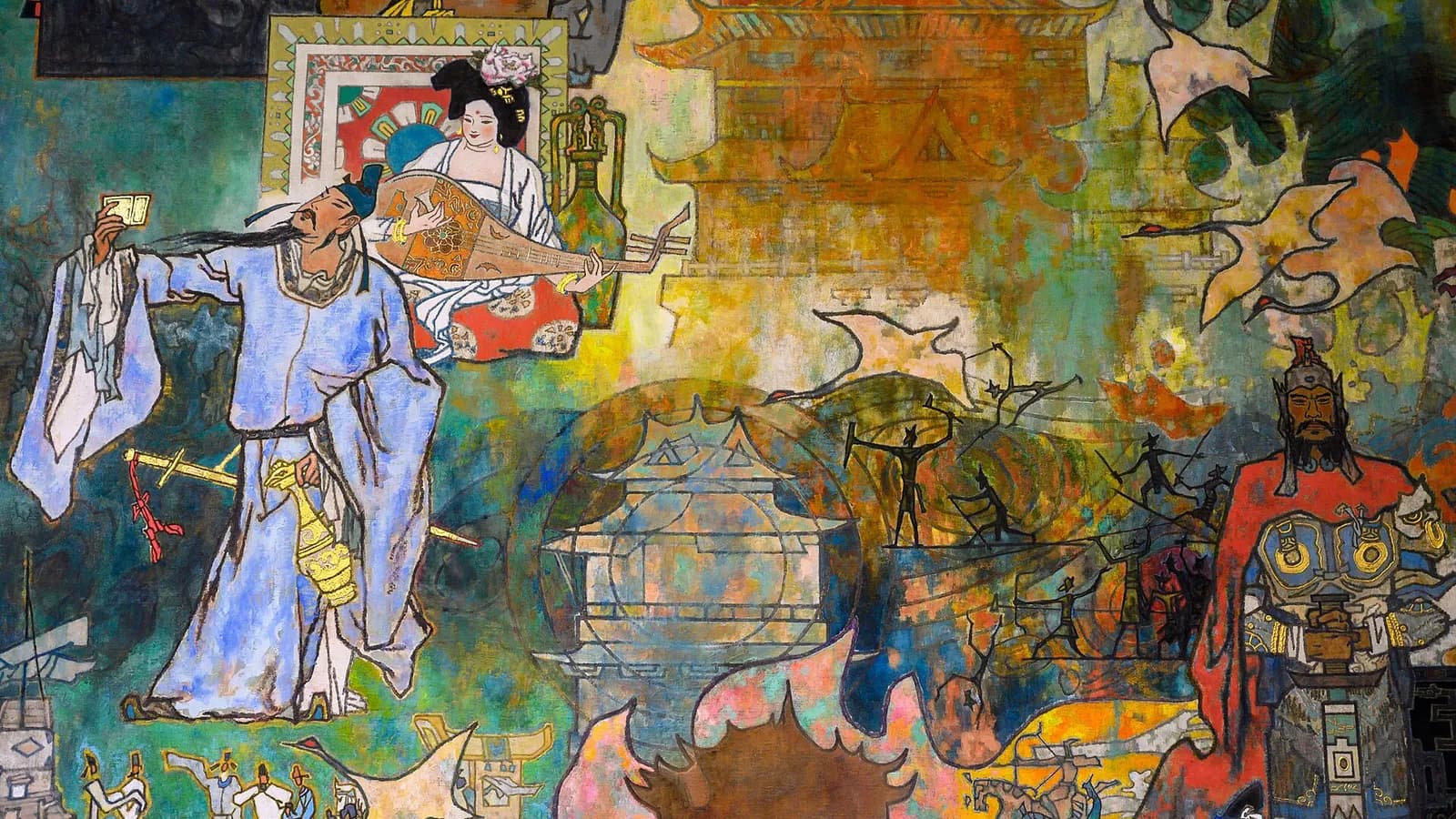
- Yellow Crane Tower (national symbol of Wuhan)
- East Lake (twice the size of West Lake in Hangzhou)
- Wuhan University cherry blossoms (March)
- Hubei Provincial Museum and Marquis Yi of Zeng bronzes
- Guiyuan Buddhist Temple
- Yangtze River crossing and waterfront promenades
- Chu culture and Three Kingdoms historical sites
Getting Around
Wuhan Tianhe International Airport (WUH) has direct flights from major Chinese cities and a growing number of international routes. Wuhan is one of China's most important high-speed rail junctions: Beijing in approximately 4.5 hours, Shanghai in approximately 5 hours, Guangzhou in approximately 3.5 hours, Chengdu in approximately 4 hours. The metro system has 12 lines covering all major districts, with Line 2 running from the airport to the city centre.
Food
Wuhan is the home of hot dry noodles (热干面), arguably the most iconic breakfast dish in central China — sesame paste-coated alkaline noodles eaten standing at street stalls. Bean curd skin rolls (豆皮) stuffed with glutinous rice, egg, and pork are the other essential Wuhan breakfast. The Three Towns Seafood Street and the lakeside restaurants around East Lake specialise in fresh Yangtze-region fish and crawfish.
Stay
The Jianghan Road pedestrian district in Hankou offers mid-range and boutique hotels in a lively early-20th-century commercial area with good metro access. The Wuchang district near the Yellow Crane Tower and East Lake suits visitors focused on the main sights. Budget travellers find hostels concentrated around Wuhan Railway Station and the university districts of Wuchang.
Budget
| Tier | Per Day (CNY) |
|---|---|
| Budget | ¥160 |
| Mid-range | ¥400 |
| Luxury | ¥900 |